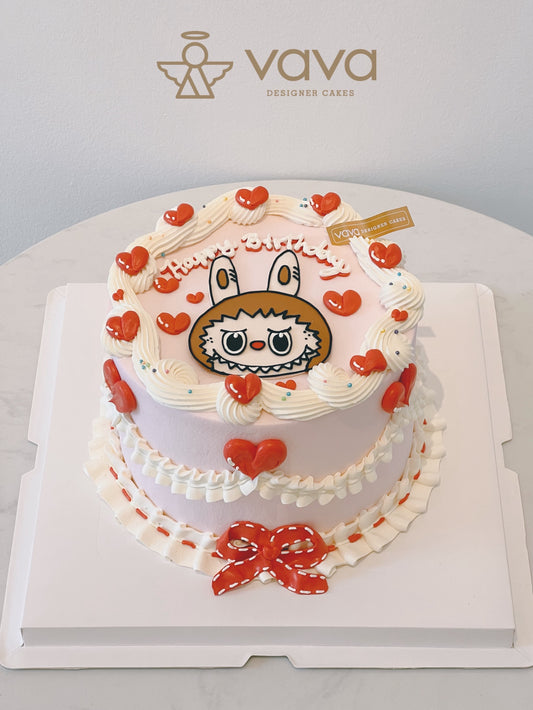
What is Chiffon Cake? The Surprisingly Modern Story Behind This Airy Dessert
What is Chiffon Cake? The Surprisingly Modern Story Behind This Airy Dessert
If you've ever wondered why some cakes practically float off the plate while others sit heavy and dense, the answer might be chiffon. This isn't your grandmother's pound cake or even a classic sponge. Chiffon cake occupies its own category—lighter than butter cake, moister than angel food, with a texture so delicate it almost seems impossible.
What makes chiffon cake fascinating isn't just how it tastes, but how it came to exist at all. Unlike most classic cakes that evolved over centuries, chiffon cake has a precise birthday: 1927. And for nearly two decades, its recipe was one of the food world's best-kept secrets.
The Secret Recipe That Changed American Baking
Harry Baker, a California insurance salesman turned caterer, created chiffon cake in his home kitchen. He spent years perfecting a cake that combined the richness of a shortened cake with the airiness of a foam cake—something that shouldn't have been possible with the ingredients available at the time.
Baker's secret? Vegetable oil instead of butter. This was revolutionary. Oil stays liquid at room temperature, coating flour proteins differently than solid fats do. The result is a crumb structure that's simultaneously tender and springy, moist but never greasy. He also used the foam cake technique of separating eggs and whipping the whites to stiff peaks, then folding them into a batter enriched with egg yolks and oil.
For twenty years, Baker made chiffon cakes for Hollywood's Brown Derby restaurant and other high-profile Los Angeles establishments. Celebrities raved about this mysterious cake, but no one could replicate it. He guarded his formula like a state secret. Finally, in 1947, he sold the recipe to General Mills for an undisclosed sum. Betty Crocker published it in Better Homes and Gardens magazine in 1948, and American home bakers went wild.
What Makes Chiffon Cake Different From Other Cakes
Understanding chiffon means understanding cake structure. Most cakes fall into two categories: shortened cakes (like pound cake or layer cakes) that use solid fats, and foam cakes (like angel food or sponge) that rely primarily on whipped eggs for structure.
Chiffon does both. The oil provides richness and moisture. The whipped egg whites provide lift and that characteristic springy texture. Cake flour keeps the crumb delicate. The ratio of ingredients matters enormously—too much oil and the cake becomes greasy; too little and it loses that signature moisture. The egg whites must be whipped to exactly the right stage: stiff peaks that still have a slight glossiness. Overwhip them and they'll deflate when folded into the batter.
The baking process is equally specific. Chiffon cakes bake in ungreased tube pans because the batter needs to cling to the pan sides as it rises. After baking, you invert the pan and let the cake cool upside down—gravity helps maintain the delicate structure as it sets. Try to remove it too early and the whole thing collapses.
This is why chiffon cake remains a specialty item. It's not difficult to make, but it requires precision and understanding. At VaVa Designer Cakes, we've spent years perfecting our chiffon technique, adjusting for Toronto's humidity levels and seasonal temperature changes that affect how egg whites whip and how batters behave.
The Science Behind That Impossibly Light Texture
When you bite into properly made chiffon cake, you're experiencing some elegant food science. The oil coats flour proteins, inhibiting gluten development. This is crucial—gluten makes bread chewy, but in cake, too much gluten creates toughness. By limiting gluten formation, oil keeps the crumb tender.
Meanwhile, the whipped egg whites are creating thousands of tiny air bubbles throughout the batter. As the cake bakes, these bubbles expand with heat and steam. The egg proteins coagulate around these air pockets, setting them in place. The result is a foam structure that's remarkably stable yet still tender.
The egg yolks contribute emulsifiers (lecithin) that help the oil and water-based ingredients blend smoothly. They also add richness and that characteristic golden color. Some bakers use seven or eight eggs in a single chiffon cake—the ratio of eggs to flour is much higher than in traditional shortened cakes.
Temperature control matters enormously. Bake too hot and the outside sets before the inside finishes rising, creating a domed top and dense center. Bake too cool and the structure doesn't set properly, leading to collapse. The sweet spot is usually around 325-350°F, lower than most cakes.
Why Chiffon Became the Base for Designer Cakes
In the 1950s and 60s, chiffon cake became wildly popular for layer cakes and special occasions. Its light texture meant you could stack multiple layers without the cake becoming overwhelmingly heavy. The fine crumb held up well to frosting and filling. And because the cake itself wasn't overly sweet, it paired beautifully with rich buttercreams and fruit fillings.
Today, chiffon has found new life in the designer cake world. The texture photographs beautifully—those tall, even layers with a crumb so fine it almost looks like silk. The cake is sturdy enough to support elaborate decorations but light enough that even a large slice doesn't feel like too much.
Asian bakeries, particularly in Japan, Taiwan, and Hong Kong, elevated chiffon cake to an art form. They introduced flavors like matcha, black sesame, and pandan. They perfected the technique of creating chiffon cakes with perfectly domed tops and no cracking. These innovations influenced bakeries worldwide, including here in Toronto.
The designer cake movement values both aesthetics and eating experience. A cake can be stunning, but if the texture is dry or the flavor is bland, it fails. Chiffon delivers on both fronts—it's the rare cake that looks as good as it tastes and tastes as good as it looks.
Common Chiffon Cake Variations and Flavors
The basic chiffon formula is remarkably adaptable. The original recipe was orange chiffon, using orange juice and zest. But you can infuse almost any flavor into the oil or liquid components.
Chocolate chiffon uses cocoa powder and sometimes melted chocolate. The trick is balancing the added dry ingredients so the cake doesn't become dense. Coffee chiffon, popular in the 1950s, uses strong brewed coffee in place of some liquid. Earl Grey chiffon steeps tea in warm oil to extract maximum flavor.
Fruit purees work beautifully—strawberry, passion fruit, mango. You reduce the other liquids to compensate for the puree's moisture. Nut flours (almond, hazelnut) can replace some of the cake flour for added flavor and richness, though you need to be careful not to weigh down the batter.
The Asian bakery tradition introduced incredibly creative variations: purple sweet potato chiffon with its natural lavender color, pandan chiffon with its distinctive vanilla-like aroma, black sesame chiffon with its nutty depth. These aren't just novelty flavors—they're sophisticated combinations that work because they respect the fundamental chiffon technique while pushing creative boundaries.
How to Tell If You're Eating Real Chiffon Cake
Not every light, fluffy cake is actually chiffon. Here's what to look for: The texture should be uniformly fine throughout, with no large air pockets or dense spots. When you press gently on the cake, it should spring back immediately—this is that characteristic foam structure at work.
The crumb should be moist but not wet, tender but not crumbly. If you pull apart a piece of chiffon cake, it should tear in soft, even layers rather than crumbling into pieces. The color should be even throughout, typically a warm golden yellow from the egg yolks.
Taste-wise, real chiffon has a delicate sweetness that doesn't overwhelm. You should taste the eggs—not in an eggy way, but as a rich, subtle base note. The texture should feel light on your palate, almost dissolving rather than sitting heavy.
Many bakeries make what they call chiffon cake but actually use a sponge cake or genoise recipe. These are fine cakes, but they're not true chiffon. The giveaway is usually the texture—sponge cake tends to be slightly drier and more elastic, while genoise has a tighter, more compact crumb.
Storing and Serving Chiffon Cake
Chiffon cake's high moisture content means it stays fresh longer than many cakes—typically 3-4 days at room temperature if properly wrapped. The oil doesn't solidify like butter does, so chiffon cake doesn't get hard when refrigerated. In fact, many people prefer chiffon cake slightly chilled.
For longer storage, chiffon cake freezes exceptionally well. Wrap it tightly in plastic wrap, then aluminum foil, and it'll keep for up to three months. Thaw it slowly in the refrigerator, still wrapped, to prevent condensation from making the surface soggy.
Serving temperature matters. Room temperature showcases the texture best—the cake feels lighter and the flavors are more pronounced. Too cold and the cake can seem slightly dense. If you've refrigerated a frosted chiffon cake, let it sit at room temperature for 20-30 minutes before serving.
Chiffon cake pairs beautifully with fresh fruit, whipped cream, or light buttercreams. The delicate texture can be overwhelmed by very heavy frostings or thick ganaches. Think complementary rather than contrasting—you want elements that enhance the cake's lightness rather than weigh it down.
Why Chiffon Cake Matters in Toronto's Cake Scene
Toronto's diverse food culture has created a sophisticated cake market. People here have experienced cakes from around the world—French patisserie, Italian bakeries, Asian cake shops, European-style tortes. They know what good cake tastes like.
This creates both challenge and opportunity. The challenge is that customers have high expectations. The opportunity is that they appreciate quality and are willing to seek out specialty cakes that deliver exceptional flavor and texture.
Chiffon cake fits perfectly into Toronto's cake landscape. It's light enough for summer celebrations but rich enough for special occasions. It's elegant without being pretentious. And it's versatile enough to work across different cultural celebrations and preferences.
The three-location presence of specialty chiffon bakeries in Richmond Hill, North York, and Downtown Toronto reflects this demand. People are willing to travel for excellent cake. They're looking for something beyond the standard grocery store sheet cake or even the typical bakery layer cake.
Frequently Asked Questions About Chiffon Cake
Is chiffon cake the same as sponge cake?
No, though they're related. Sponge cake uses only eggs (no added fat) for structure and moisture, while chiffon cake includes oil, making it moister and more tender. Chiffon has a finer, more delicate crumb than sponge cake. Think of sponge cake as slightly bouncy and elastic; chiffon is softer and more yielding.
Why does my chiffon cake collapse after baking?
The most common cause is removing the cake from the pan before it's completely cool. Chiffon cake needs to cool upside down in the pan for at least an hour—the structure is still setting as it cools. Other causes include underwhipping the egg whites, overmixing the batter (which deflates the air bubbles), or opening the oven door during baking, causing a temperature drop.
Can I make chiffon cake without a tube pan?
Not successfully. The tube pan's center tube helps the cake bake evenly and gives the batter something to climb as it rises. The ungreased sides are essential—the cake needs to grip the pan to maintain its height. Using a regular round pan will result in a denser, flatter cake. If you don't have a tube pan, consider making cupcakes instead, which can capture some of chiffon's texture in a different format.
Is chiffon cake healthier than regular cake?
Slightly, but it's still cake. Chiffon uses oil instead of butter, which means no saturated fat, and it typically has less sugar than butter cakes. The high egg content provides protein. But it's still a dessert—enjoy it for its exceptional texture and flavor rather than as a health food. The lightness can make it feel less indulgent, which some people prefer.
What's the best frosting for chiffon cake?
Light, creamy frostings work best—whipped cream, cream cheese frosting, Swiss meringue buttercream, or light fruit-based frostings. Avoid very heavy American buttercream or thick ganache, which can overwhelm chiffon's delicate texture. The goal is to complement the cake's lightness rather than mask it. Many people enjoy chiffon cake with just a dusting of powdered sugar and fresh fruit.
Written by the VaVa Designer Cakes team. Learn about our story.
Tags:
Previous
Labubu Cake Ideas: How to Design the Cutest Plush-Inspired Birthday Cake
Next
Labubu Cake Ideas: How to Design the Cutest Plush-Inspired Birthday Cake